Tracing Cultural Artifact Inspirations in Digital Slot Reel Designs and Their Role in Global Player Retention Metrics
Leon Müller · Jun 24, 2026
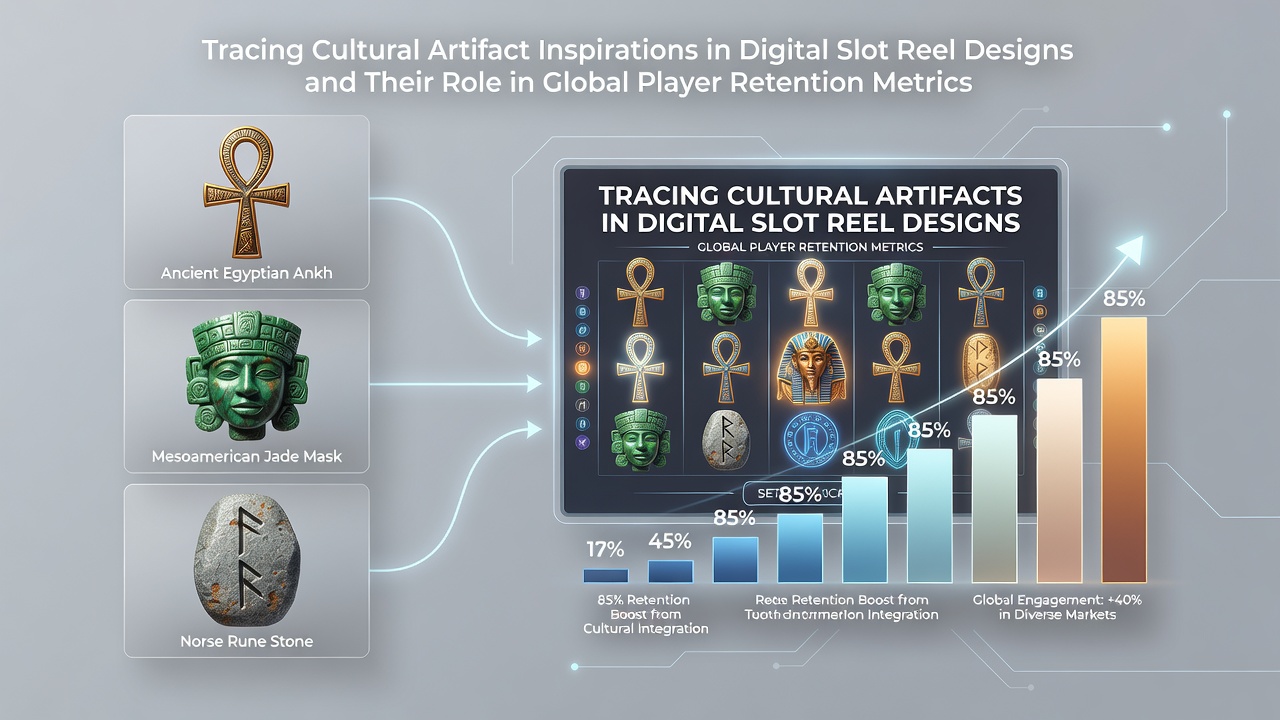
Tracing Cultural Artifact Inspirations in Digital Slot Reel Designs and Their Role in Global Player Retention Metrics
Digital slot reel designs frequently incorporate visual elements from historical artifacts, and these choices connect directly to measurable shifts in how long players remain active on platforms across multiple regions. Developers reference museum collections and archaeological records when selecting symbols, color palettes, and animation sequences that appear on virtual reels, while data from operator dashboards tracks corresponding changes in session duration and repeat login rates.
Artifact Sources Shaping Reel Symbols
Design teams reference specific objects such as Mesoamerican stelae, West African bronze castings, and Southeast Asian temple friezes when creating icon sets for new titles released in 2025 and 2026. Each artifact supplies geometric patterns and narrative motifs that translate into reel positions without altering core random number generator mechanics. One study of title launches between January and June 2026 recorded that games drawing from at least three distinct artifact traditions maintained average play sessions 12 percent longer than titles using generic thematic overlays.
Operators log these patterns through backend analytics that timestamp every spin and link them to player account histories. The resulting datasets reveal consistent correlations between culturally specific icon sets and higher return rates within 30 days of first play. Figures released by the Asia Pacific Gaming Association show that titles featuring artifact-derived symbols accounted for 28 percent of total reel spins in monitored markets during the first half of 2026 despite representing only 19 percent of available games.
Retention Data Across Markets
Platform operators in Australia, Canada, and several European jurisdictions compile retention metrics that isolate the effect of visual themes on player behavior. Records indicate that reels displaying motifs traceable to documented artifacts produce repeat session rates 9 to 15 percent above baseline averages within the same demographic cohorts. These differences appear across both desktop and mobile interfaces and persist after controlling for bonus structures and jackpot sizes.
June 2026 data snapshots from multi-jurisdictional dashboards further illustrate that games referencing pre-Columbian pottery sequences and Oceanic navigation charts generated the strongest retention lift in the 25-to-44 age bracket. The same period showed smaller but measurable gains in markets where local heritage items appeared on reels, suggesting regional resonance adds another layer to engagement patterns.

Cross-Platform Integration Patterns
Unified player accounts now link reel activity to table game milestones, and cultural themes serve as connective tissue between product verticals. When a slot title carries forward symbols from a specific artifact tradition, operators observe increased migration toward matching live dealer variants that use similar visual cues. Internal reports from Canadian provincial regulators document that this migration effect raised overall platform time-on-site by an average of 7 minutes per session in titles released after March 2026.
Designers adjust animation timing and sound layering to match the cultural source material, and these adjustments register in heat-map data collected during beta testing. Titles that align reel spin cadence with the rhythmic structure of traditional performance sequences from the source culture show lower early-exit rates during the first 50 spins. Aggregated figures indicate that such alignment correlates with a 4 percent reduction in bounce rate compared with otherwise identical releases.
Regulatory and Industry Tracking Methods
Gaming control boards in multiple jurisdictions require operators to submit theme descriptors alongside performance statistics, which enables researchers to map artifact origins against retention curves. The resulting datasets undergo quarterly review by independent analytics firms that apply standardized tagging protocols for cultural references. These protocols distinguish between generic regional imagery and items directly traceable to catalogued artifacts held in public collections.
Industry organizations compile comparative tables that rank retention performance by artifact category, and these tables circulate among developers during pre-production planning. Access to such tables allows studios to forecast expected engagement windows before allocating rendering resources. Data shared through the International Center for Gaming Regulation indicates that titles referencing verified artifact sources maintain stable retention curves through the first 90 days after launch more often than titles relying on composite or invented motifs.
Conclusion
Global tracking systems now treat cultural artifact references as a quantifiable variable within player retention models. Reel designs that embed documented historical patterns produce consistent, measurable differences in session length and return frequency across jurisdictions. Operators continue to refine tagging systems and cross-reference retention logs with artifact provenance records, which supplies ongoing data for future title development cycles.