Tracing Asset Value Shifts in Simulated Poker Environments Amid Digital Currency Market Changes
Leon Müller · Jul 29, 2026

Tracing Asset Value Shifts in Simulated Poker Environments Amid Digital Currency Market Changes
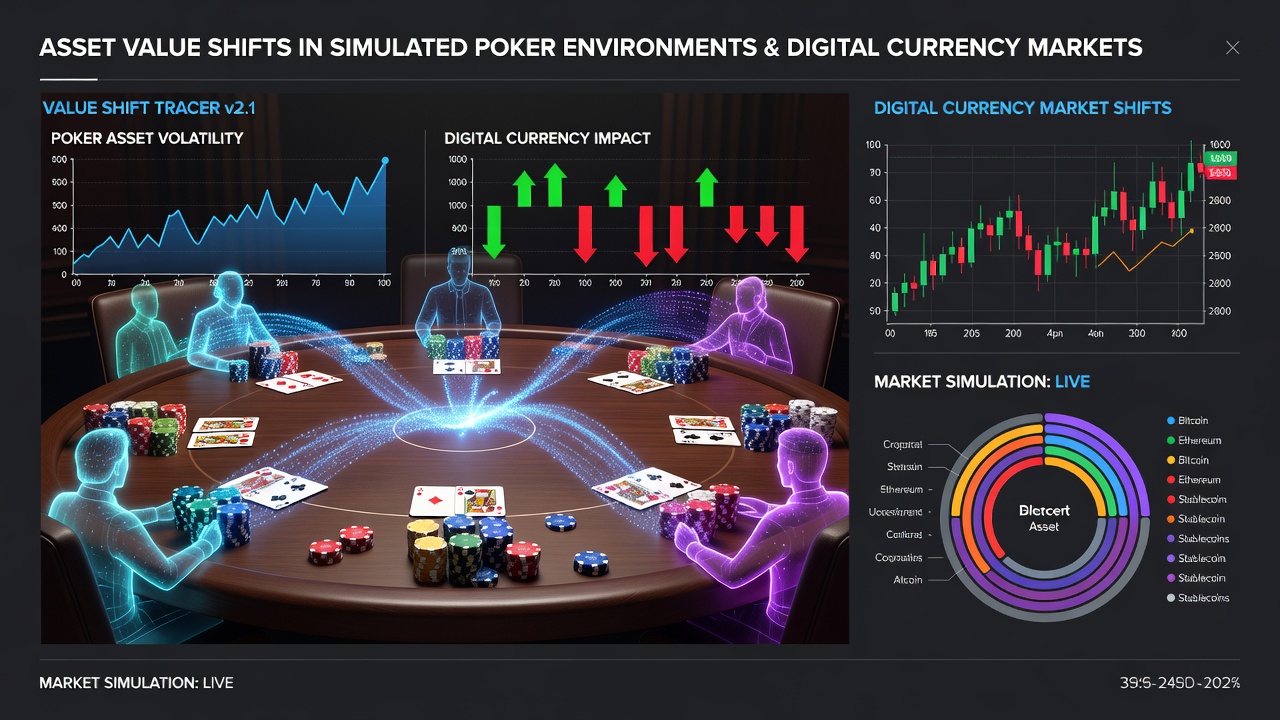
Simulated poker environments rely on digital assets such as virtual chips, player skins, and tokenized table stakes that often connect directly to broader cryptocurrency ecosystems, and data from mid-2026 shows these connections create measurable value shifts when Bitcoin, Ethereum, and stablecoin prices move. Researchers tracking platform ledgers have documented how a 12 percent drop in major digital currency values during April through June correlated with reduced chip purchasing volumes across multiple simulation networks, while recovery phases in July produced corresponding upticks in asset accumulation patterns.
Digital Asset Structures in Poker Simulations
Platform operators maintain internal economies where virtual currency converts from external digital holdings through API gateways, and this setup allows market volatility to transmit quickly into poker environments. Observers note that when Ethereum gas fees spiked in early July 2026, several simulation providers adjusted conversion rates, which in turn altered the effective purchasing power of player-held tokens. Studies of transaction logs reveal that users holding assets pegged to volatile coins experienced faster depletion during downswings compared with those using stablecoin-backed reserves.
Market Correlation Patterns Observed in 2026
Figures compiled by industry monitoring groups indicate that simulated poker asset values tracked cryptocurrency indices with a lag of approximately 48 to 72 hours throughout the first half of the year. When Bitcoin crossed above 68,000 dollars in late May, data showed increased deposits into poker simulation wallets within three days, yet the reverse movement later produced quicker outflows. Those who examined cross-platform records found that hybrid environments combining live dealer feeds with virtual tables displayed even tighter correlations because players transferred value between formats more frequently.
Tools and Methods for Tracking Value Movements
Analytics firms deploy blockchain explorers alongside proprietary poker ledger software to map asset flows, and this combination produces granular views of how individual player portfolios respond to external price signals. One analysis released by the Nevada Gaming Control Board highlighted that simulation operators using real-time oracle feeds experienced fewer disputes over asset valuations during periods of rapid market change. Nevada Gaming Control Board reports further detail standardized reporting requirements that now include disclosure of digital currency exposure levels for platforms operating within state oversight.
Additional research from the University of Sydney examined user behavior across three major simulation providers and found that players who diversified holdings across multiple digital currencies maintained steadier table participation rates even when individual coin prices fluctuated sharply. The study tracked over 140,000 accounts between January and June 2026, revealing that multi-currency strategies reduced liquidation events by roughly 22 percent compared with single-asset approaches.
Regional Regulatory Responses and Data Sharing
Authorities in multiple jurisdictions have begun requiring simulation operators to report aggregate asset value exposures on a monthly basis, and this practice supplies researchers with standardized datasets for cross-market analysis. Australian regulators implemented similar disclosure rules in March 2026, enabling comparisons that showed stronger price transmission effects in regions with higher cryptocurrency adoption among players. Canadian provincial gaming bodies released parallel guidance in June that emphasized stress testing of internal economies against 30 percent digital currency swings.
Case examples illustrate these dynamics in practice. One European simulation network adjusted its chip minting schedule after observing that stablecoin depegging events in May triggered sudden sell-offs of in-game items, and the revised schedule incorporated buffer reserves to smooth conversion impacts. Meanwhile, platforms serving North American users introduced optional hedging instruments that allowed players to lock asset values against short-term currency movements, resulting in documented reductions in withdrawal processing spikes during volatile weeks.
Conclusion
Continued monitoring through the remainder of 2026 will depend on expanded data sharing between simulation operators, cryptocurrency exchanges, adn regulatory bodies across regions. Existing records already demonstrate clear transmission pathways between external digital currency markets and internal poker asset valuations, while emerging tools provide increasingly precise methods for tracing those shifts in real time. As more jurisdictions adopt reporting standards, comprehensive pictures of these interactions become available for ongoing examination.