The Interplay Between Architectural Acoustics and Player Focus in Simulated Gambling Halls Across Virtual Reality Setups
Petra Schröder · Jul 25, 2026
The Interplay Between Architectural Acoustics and Player Focus in Simulated Gambling Halls Across Virtual Reality Setups
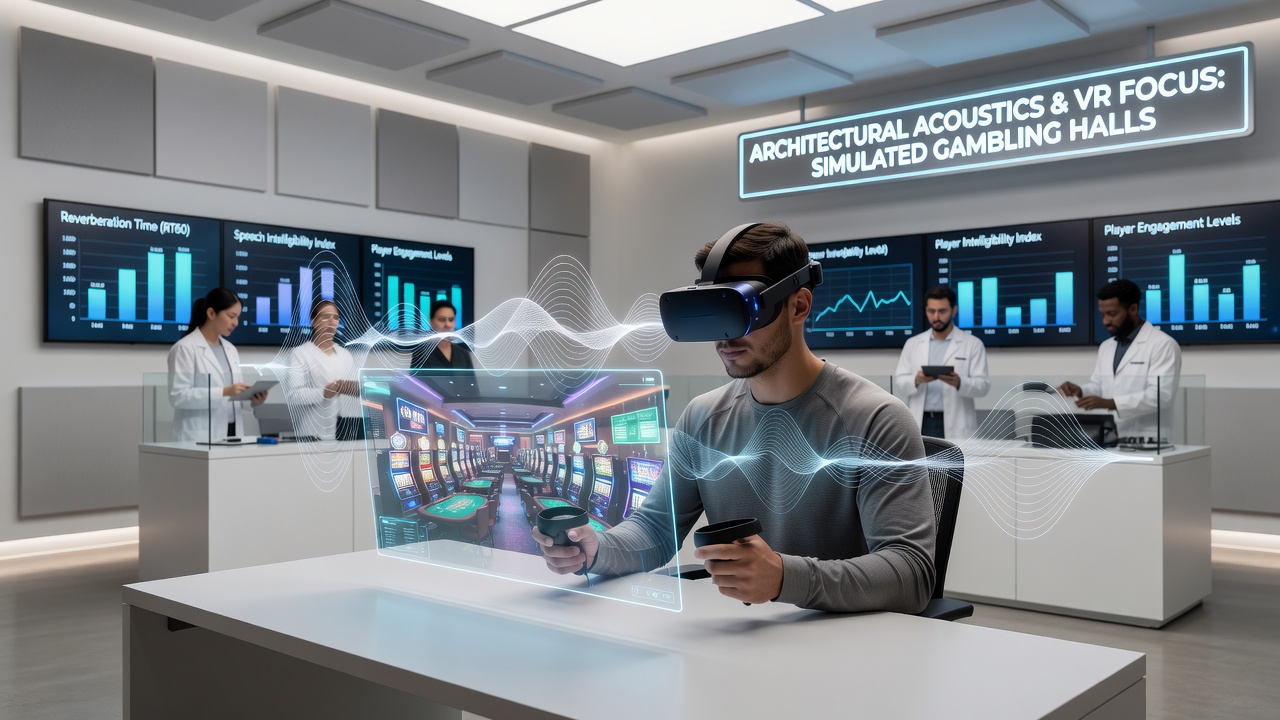
Research indicates that architectural acoustics play a central role in shaping how players maintain attention within virtual reality gambling environments, where sound propagation, reverberation times, and frequency balancing replicate the spatial qualities of physical casino floors. Data from multiple VR development projects show that precise control over these acoustic elements helps sustain focus during extended sessions, particularly when background noise levels mimic the layered ambiance of slot machines, table chatter, and ambient music found in real-world venues. Studies conducted in 2025 revealed that players exposed to optimized virtual acoustics demonstrated measurable improvements in task persistence compared to those using generic stereo audio tracks. Engineers designing these simulated spaces apply principles drawn from physical architecture, including the calculation of absorption coefficients and reflection paths, to create immersive sound fields that guide auditory attention without overwhelming cognitive resources. In July 2026 several platforms introduced updated rendering engines that adjust acoustic parameters in real time based on player head orientation and proximity to virtual sound sources, allowing the system to emphasize dealer announcements or machine alerts while attenuating distant crowd noise. Observers note that such dynamic adjustments align with findings from spatial audio research, where binaural rendering and head-related transfer functions enhance directional perception and reduce mental fatigue.Core Acoustic Elements in Virtual Casino Design
Virtual environments replicate key acoustic features of traditional gambling halls through digital signal processing that models room geometry, surface materials, and occupancy density, and these simulations influence how players allocate attention across multiple game interfaces simultaneously. Parameters such as early reflection density and late reverberation decay directly affect the perceived clarity of game-related audio cues, according to technical documentation released by VR gaming studios. When reverberation times fall within the 1.2 to 1.8 second range typical of mid-sized casino floors, players report steadier concentration on betting sequences and pattern recognition tasks.
Frequency masking techniques further support focus by balancing low-frequency rumble from simulated HVAC systems against higher-frequency sounds from card shuffles and coin drops, and developers calibrate these balances using data collected from eye-tracking and electroencephalography studies. Research indicates that excessive bass energy can increase cognitive load, whereas controlled attenuation allows players to maintain visual attention on screen elements for longer intervals.
Player Focus Metrics and Acoustic Variables
Performance data gathered across commercial VR platforms demonstrate correlations between acoustic customization and metrics such as session duration, decision speed, and error rates in card recognition or reel-stop timing. One study released in early 2026 tracked over 12,000 users and found that environments with adjustable spatial audio sliders produced a 14 percent increase in average session length compared to fixed-audio settings. Those same environments also recorded lower rates of premature session termination linked to auditory overload.
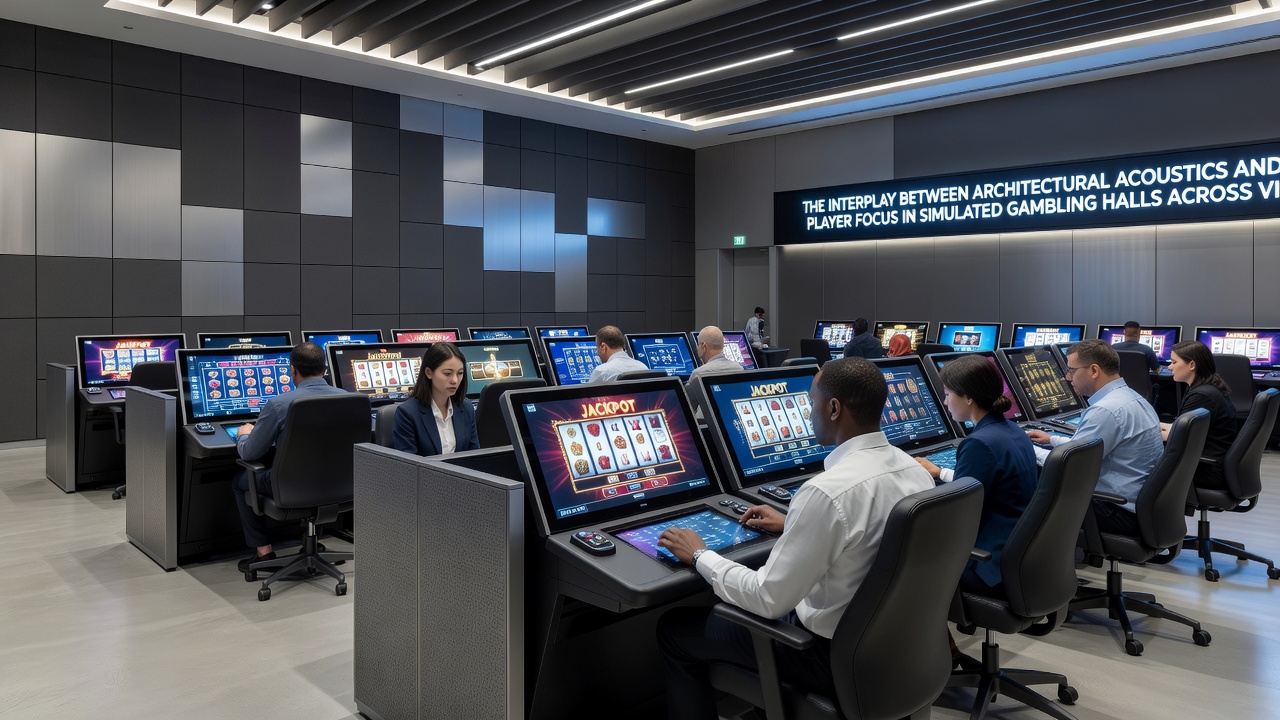
Platform operators have begun integrating user-selectable acoustic profiles that let individuals emphasize or suppress specific frequency bands, and preliminary results from beta tests conducted across North American and European servers indicate varied preferences tied to game type. Table game participants often favor higher clarity settings that highlight dealer speech, whereas slot players tend toward broader ambient layering that supports relaxed visual scanning. These patterns align with broader findings from human factors research on auditory scene analysis in complex environments.
Technological Implementation Across Platforms
Leading VR frameworks employ ambisonic encoding combined with real-time convolution reverb to approximate the acoustic signature of different casino layouts, ranging from intimate high-limit rooms to expansive main floors, and updates rolled out in mid-2026 expanded support for multi-user acoustic interactions where one player's movement alters sound propagation for others in the same virtual space. This shared acoustic modeling introduces new variables for focus management, since collective activity can shift perceived sound levels in ways that single-user simulations do not capture.
Hardware manufacturers have responded by refining headphone and haptic transducer pairings that deliver low-latency spatial audio, and compatibility testing shows reduced motion sickness when acoustic cues remain synchronized with visual perspective shifts. Figures released by the Acoustical Society of America highlight ongoing work on standardized testing protocols for VR audio systems used in entertainment applications, including gambling simulations.
Emerging Research and Industry Standards
Academic teams at institutions in the United States and Australia continue to examine how acoustic design influences sustained attention in high-stakes decision environments, and a collaborative paper scheduled for release later in 2026 explores the use of adaptive filtering to maintain optimal signal-to-noise ratios as virtual occupancy fluctuates. Industry groups have started drafting voluntary guidelines that recommend maximum reverberation thresholds and minimum speech intelligibility scores for licensed VR gambling products.
Regulatory bodies in multiple jurisdictions now request acoustic specification data as part of platform certification processes, and submissions from developers show increasing emphasis on player-selectable acoustic controls as a feature that supports responsible engagement practices. These developments reflect the growing recognition that sound design constitutes a measurable component of user experience in simulated gambling settings.
Conclusion
Architectural acoustics integrated into virtual reality gambling halls continue to evolve through iterative application of established physical principles and emerging spatial audio technologies, and ongoing data collection supports refinements that help maintain player focus across diverse game formats and session lengths. As platforms expand in July 2026 and beyond, the documented interplay between acoustic parameters and attention metrics offers a foundation for further technical and regulatory advancement in this specialized domain.