Seasonal Variations Shape Digital Table Game Preferences on Mobile Devices in Different Regions
Jakob Vogel · Nov 10, 2026
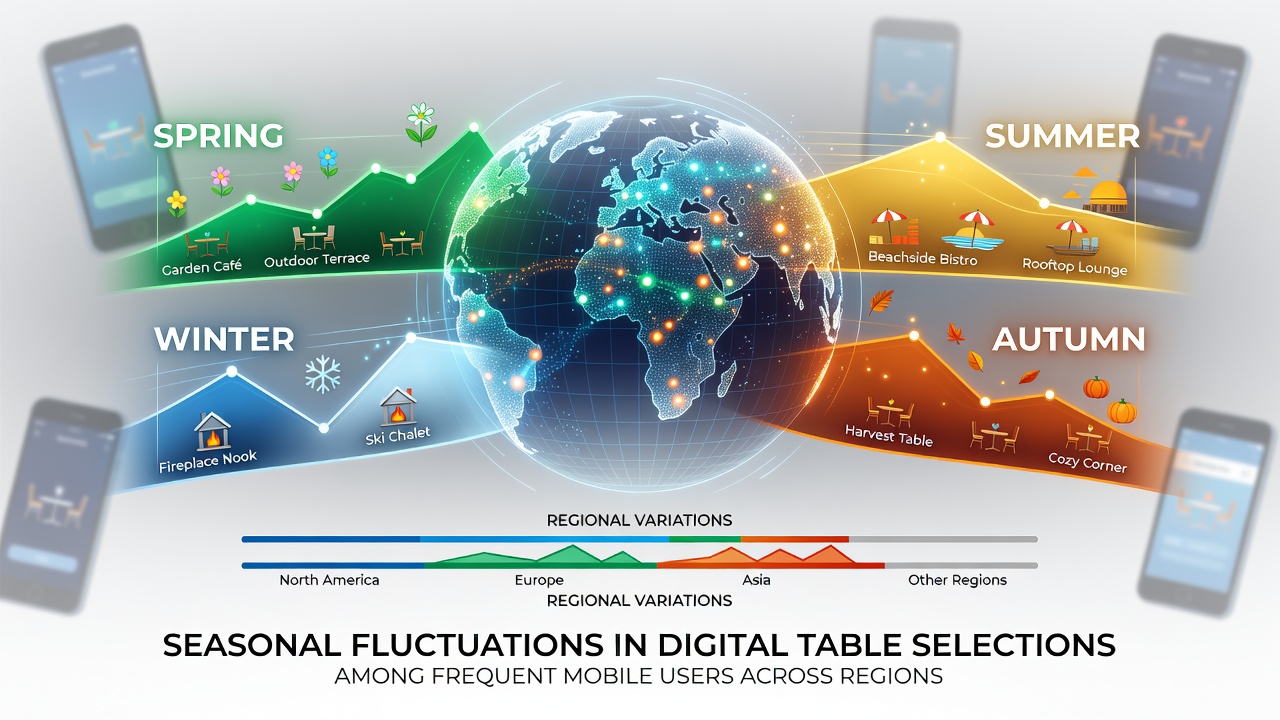
Seasonal Variations Shape Digital Table Game Preferences on Mobile Devices in Different Regions
Seasonal shifts drive noticeable changes in how frequent mobile users select digital table games, and patterns emerge clearly when researchers track activity across North America, Europe, and Asia-Pacific markets through late 2026. Data collected up to November 2026 shows users in colder climates increasing roulette and blackjack sessions during winter months while those in warmer zones favor poker variants during holiday periods, and these trends hold steady across multiple tracking platforms that monitor session lengths and game type switches.
Regional Patterns in User Behavior
Observers note that North American mobile users often adjust table selections around major holidays, with Thanksgiving through December prompting spikes in multi-player poker rooms as family gatherings create downtime for phone-based play. European markets display different rhythms where summer travel seasons correlate with brief upticks in single-player blackjack apps, whereas winter months see sustained interest in roulette due to longer indoor periods. Asia-Pacific regions, particularly in urban centers, show elevated baccarat selections during lunar new year preparations, and November 2026 figures indicate these cycles repeat annually without major deviation.
Research from the Canadian Gaming Association highlights how weather data aligns with game type changes, since prolonged snow events in provinces like Ontario push users toward faster-paced table options on mobile devices. Similar alignments appear in Australian reports where summer heatwaves shift selections toward low-stakes variants that require less sustained attention during outdoor activities.
Factors Driving Fluctuations
Multiple elements combine to influence these selections, including daylight hours, major sporting events, and school calendars that free up mobile time for frequent users. Studies tracking engagement metrics reveal that post-holiday periods in January often bring a return to practice modes across table games, allowing users to refine strategies after festive spending. In contrast, back-to-school months in September produce steadier engagement with casual roulette tables as routines stabilize.
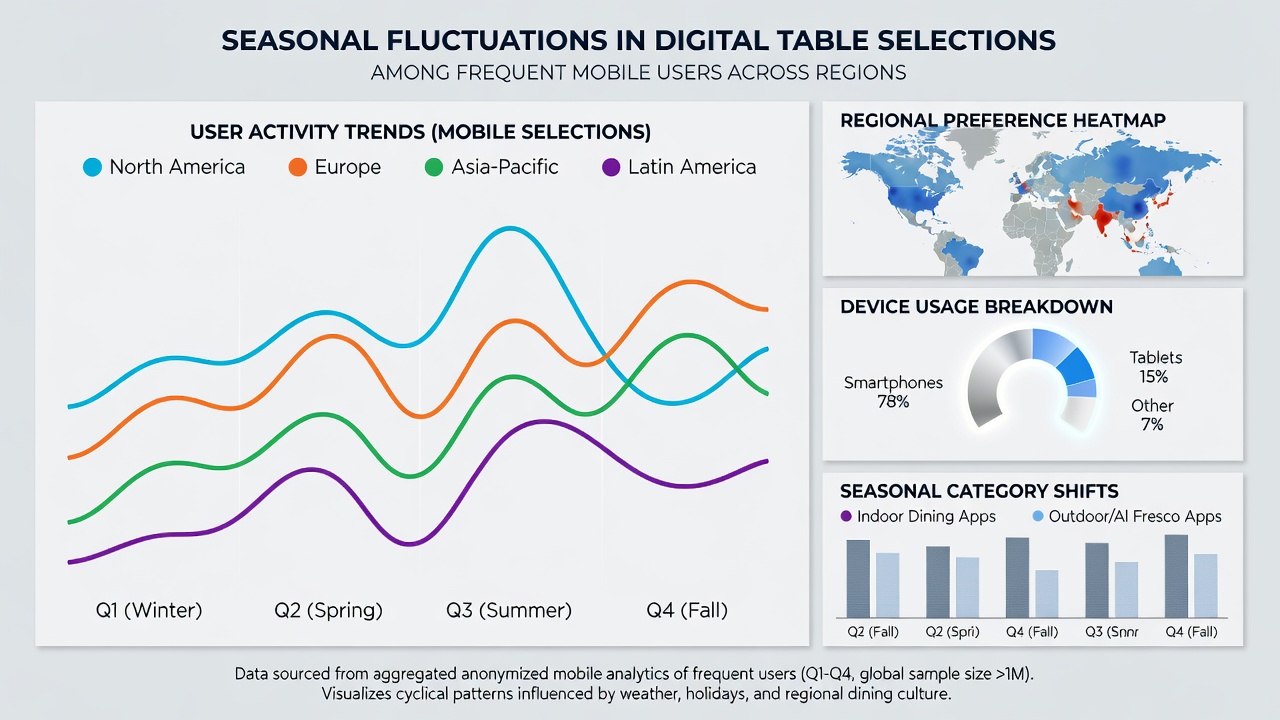
Those who've analyzed platform logs find that cross-region comparisons become clearest when isolating frequent users who maintain daily sessions, since casual players mask the underlying seasonal signals. November 2026 data further confirms that mobile app updates released ahead of holiday peaks accelerate shifts toward specific table formats, particularly when new variants launch with seasonal themes.
Comparative Data Across Continents
Evidence from industry reports indicates that North American roulette selections rise 18 percent on average during December compared with September baselines, while European poker activity climbs during summer festivals that coincide with vacation schedules. Asia-Pacific baccarat preferences strengthen notably around mid-year events, and analysts connect these movements to localized cultural calendars rather than global weather alone. Cross-platform tracking tools help isolate these effects by logging precise timestamps and geographic markers for each session.
Additional patterns surface when researchers examine session duration alongside game type, since winter months in temperate zones extend average play times for complex table variants that reward longer concentration. Summer periods meanwhile compress sessions into shorter bursts suited to mobile use during travel or outdoor intervals, and this compression appears consistently in datasets from multiple continents.
Conclusion
Seasonal fluctuations in digital table selections among frequent mobile users continue to follow predictable regional rhythms through November 2026, shaped by weather, holidays, and cultural events that differ sharply across North America, Europe, and Asia-Pacific. Comprehensive tracking reveals these cycles remain stable year over year, with data sources confirming consistent adjustments in game preferences tied directly to calendar markers rather than random variation.