Mapping Player Migration Trends Between Slot Machines and Live Blackjack Tables via App-Based Incentives
Blake Keller · Aug 19, 2026
Mapping Player Migration Trends Between Slot Machines and Live Blackjack Tables via App-Based Incentives
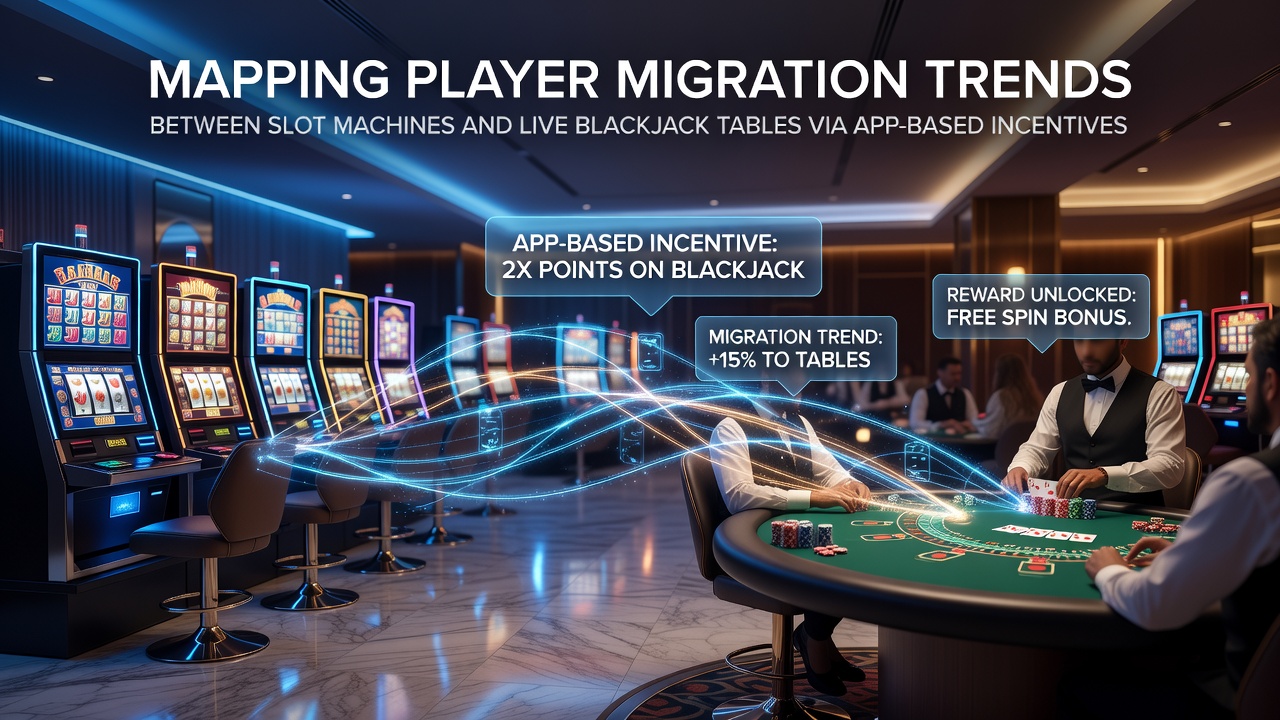
App-based incentive programs have become central to how casino operators guide player movement between slot machines and live blackjack tables, with data from multiple jurisdictions showing measurable shifts in session lengths and game selections throughout 2026. These systems deliver targeted offers such as bonus credits, loyalty multipliers, and time-limited table game vouchers directly through smartphone notifications, and operators track the resulting migration patterns using aggregated player account data. In August 2026 several large properties reported that players who accepted slot-to-table incentives increased their average blackjack session duration by measurable percentages compared with those who stayed on slots alone.
How Incentive Mechanisms Operate Across Platforms
Modern casino applications integrate real-time player tracking with personalized offers, so when an individual spends a set number of spins on slots the system triggers an alert inviting them to a live blackjack table with an attached credit bonus or reduced minimum bet. The same logic runs in reverse when operators seek to move table players toward slots during peak hours, creating bidirectional flows that depend on floor occupancy and revenue targets. Researchers at several gaming analytics firms have documented these patterns through anonymized datasets that link incentive redemption timestamps to subsequent game selections, revealing consistent migration corridors between specific machine banks and table pits.
Observed Migration Patterns in Recent Data
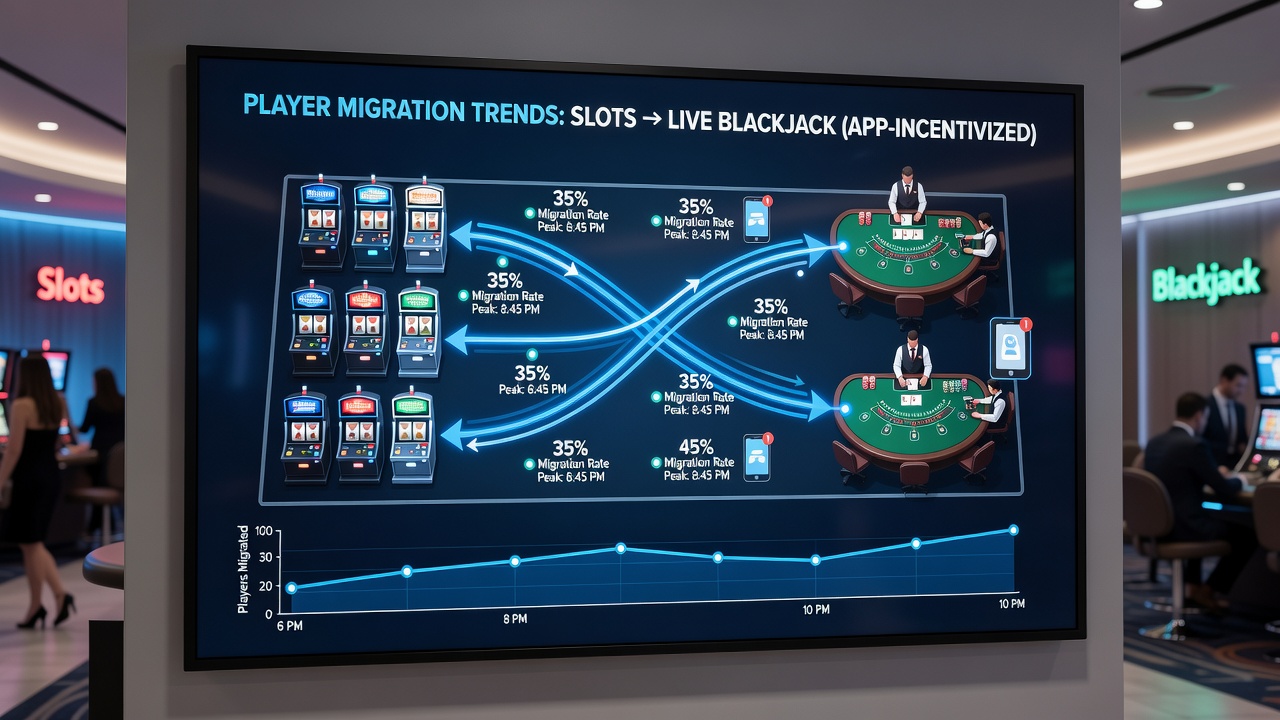
Figures released by the Nevada Gaming Control Board in mid-2026 indicated that properties employing integrated app incentives recorded higher crossover rates between slots and live blackjack than venues relying on traditional floor promotions alone. One study of multi-property operators found that players who received a slot-to-blackjack voucher completed at least one table hand in 68 percent of cases, while control groups without the digital prompt showed lower transition rates. Similar tracking in other markets has identified time-of-day effects, with morning and early afternoon redemptions producing longer table sessions than evening offers that compete with higher slot volume.
Regional Variations and Platform Differences
Operators in Atlantic City have combined app incentives with progressive jackpot linkages that reward blackjack play after slot activity, and data from the New Jersey Division of Gaming Enforcement shows corresponding increases in table game headcount during incentive windows. In contrast, some Asian markets emphasize hybrid offers that convert slot loyalty points directly into live dealer blackjack credits, producing different migration speeds. Academic researchers examining these systems note that push notification timing, visual design of the offer, and the size of the attached bonus all correlate with whether players complete the suggested move from slots to tables or return to their original game choice.
Technical Infrastructure Supporting the Trends
Casino management systems now feed data from slot machine meters and table game RFID readers into centralized platforms that trigger app notifications within seconds of qualifying activity. This infrastructure allows operators to adjust incentive values dynamically based on real-time table availability, and several vendors have introduced modules that predict which players are most likely to accept a migration offer before it is sent. The resulting datasets have enabled more precise mapping of player pathways, showing that certain demographic segments respond more readily to blackjack incentives after moderate slot losses while others require larger bonuses to leave the machines.
Regulatory Context and Reporting Requirements
Regulatory bodies in multiple jurisdictions require operators to report incentive-driven play separately from organic game selection, and these filings have provided researchers with additional visibility into migration volumes. The American Gaming Association has compiled aggregate figures from member companies that illustrate how app-based programs contribute to overall table game revenue without displacing slot activity entirely. Observers note that transparent reporting helps distinguish between genuine player preference shifts and those engineered through digital nudges, although the exact weighting remains a subject of ongoing analysis.
Conclusion
App-based incentives have established measurable channels for player movement between slot machines and live blackjack tables, supported by integrated tracking systems and region-specific regulatory data. Reports from Nevada and New Jersey through August 2026 demonstrate consistent patterns in redemption and session behavior, while technical platforms continue to refine the timing and value of offers. These developments provide operators and analysts with clearer maps of cross-game engagement that rely on digital delivery rather than physical floor promotions alone.