Digital Platform Shifts Reshaping Strategy in Classic Table Game Versions
Jakob Vogel · Oct 13, 2026

Digital Platform Shifts Reshaping Strategy in Classic Table Game Versions
Platform changes have altered how players approach strategy in digital adaptations of games like blackjack, poker, and roulette since the early 2000s, when basic browser versions gave way to more sophisticated systems. Data from industry reports shows that transition points often coincide with updates in user interface design, payment integration, and real-time analytics tools, which in turn influence decision patterns during play sessions.
Initial Digital Conversions and Basic Strategic Adjustments
Early online versions of table games required players to adapt from physical card handling and dealer interactions to clicking interfaces and automated shuffles, yet those shifts also introduced consistent rule enforcement that reduced certain human errors. Observers note that players in those periods began relying more on pre-calculated odds charts displayed in side panels, a habit that carried forward as platforms added customizable settings for speed and deck composition.
Studies from academic gaming research groups indicate that these foundational changes prompted measurable increases in session length because users could pause and review probability tables without leaving the table environment. And while physical casinos limited such pauses, digital formats encouraged repeated strategy testing across multiple hands in quick succession.
Mobile Integration and Real-Time Decision Influences
Smartphone adaptations introduced touch-based controls and push notifications that fragmented attention during critical moments, prompting developers to embed quick-reference strategy guides directly into game screens. Research indicates that players on mobile versions of classic table games adjust their aggression levels differently compared with desktop sessions, often favoring shorter, more conservative betting sequences when network latency appears.
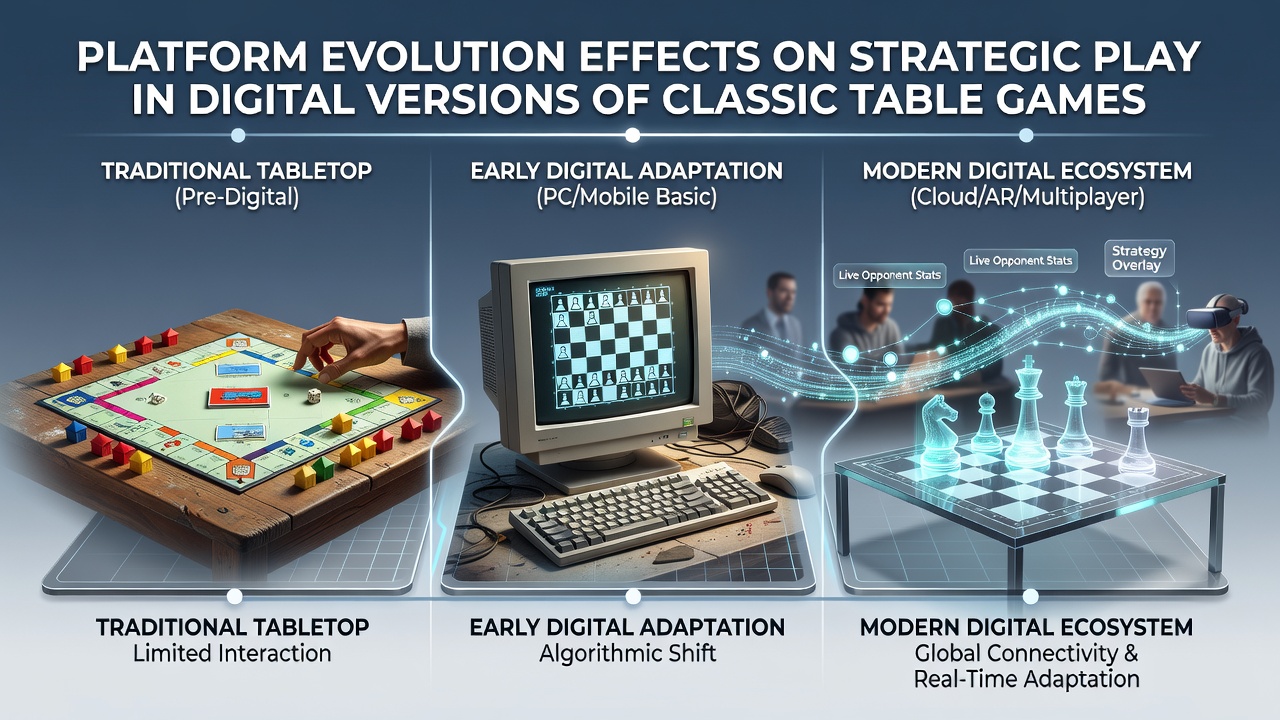
Figures from European gaming associations reveal that mobile traffic for table game variants surpassed desktop usage by 2024, correlating with platform features such as one-tap bet confirmation and auto-fold options. Those who track engagement metrics across regions report that Australian users showed particularly strong uptake of these tools, leading to new patterns in how bankroll management decisions unfold over extended play periods.
Analytics Layers and Adaptive Opponent Modeling
Modern platforms incorporate opponent tracking dashboards and historical hand databases that allow users to reference past performance against specific virtual tables or live dealer streams. According to findings published by Canadian research institutions, these tools have shifted strategic emphasis toward pattern recognition rather than pure mathematical recall, especially in multi-table poker environments where simultaneous decisions occur.
In October 2026, regulatory updates in several North American jurisdictions began requiring clearer disclosure of algorithmic assistance features, which has prompted further platform refinements in how data visualizations appear during active rounds. Players now encounter tiered information panels that scale complexity based on account settings, a development that researchers link to broader participation rates among intermediate skill levels.
Cross-Device Continuity and Loyalty Ecosystem Effects
Unified accounts that sync progress across phones, tablets, and computers have created continuity in strategy testing, since users can resume sessions with preserved statistics and saved custom decks. Industry organizations note that such ecosystems encourage experimentation with variant rulesets because switching devices does not reset accumulated performance data.
Links to external analyses, such as those maintained by Australian gambling research centers, demonstrate that loyalty point systems tied to table game milestones influence long-term strategic commitments, with users allocating more time to formats that reward consistent application of chosen approaches. Similar patterns appear in reports from Ontario-based responsible gaming bodies, where cross-platform tracking correlates with refined risk assessment behaviors.
Conclusion
Platform evolution continues to modify the information environment surrounding classic table games, producing observable changes in how participants sequence bets, interpret opponent signals, and manage session resources. Data collected through 2026 shows these effects compound as new interface layers and regulatory requirements accumulate, creating an ongoing cycle of adaptation for both developers and players.