Audio Design Patterns in Multi-Platform Slot Networks and Player Retention Data
Jakob Vogel · Sep 29, 2026
Audio Design Patterns in Multi-Platform Slot Networks and Player Retention Data
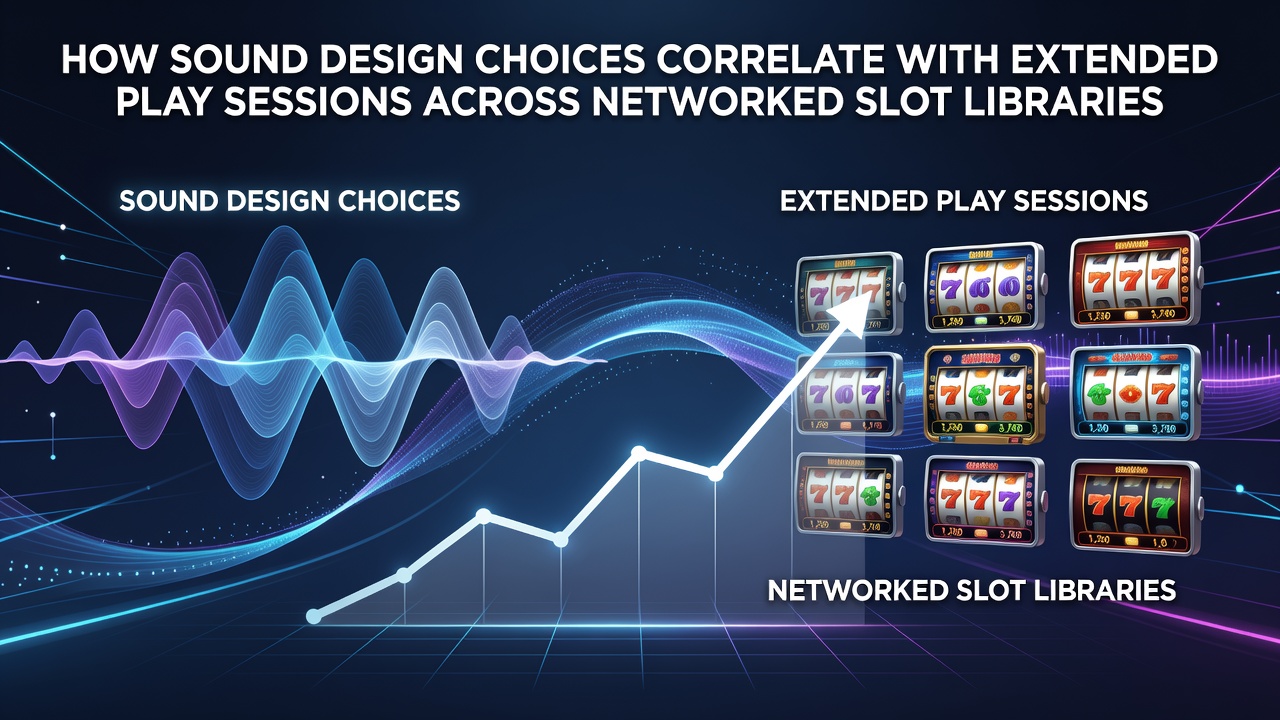
Networked slot libraries integrate synchronized audio elements across multiple platforms, and operators track how these choices align with session length metrics. Data from connected systems reveals patterns where specific sound frequencies and rhythmic loops coincide with extended play intervals, particularly in environments that update content in real time.
Core Audio Components and Their Measured Effects
Developers layer background tracks with win chimes and ambient tones that adjust based on player activity levels, and researchers have documented correlations between these adjustments and time spent in sessions. Win-associated sounds often operate in the 2000 to 4000 hertz range, which aligns with heightened attention spans according to acoustic studies conducted in gaming laboratories. Networked libraries allow these elements to sync across devices, so a player switching from desktop to mobile encounters consistent audio cues that maintain engagement momentum without interruption.
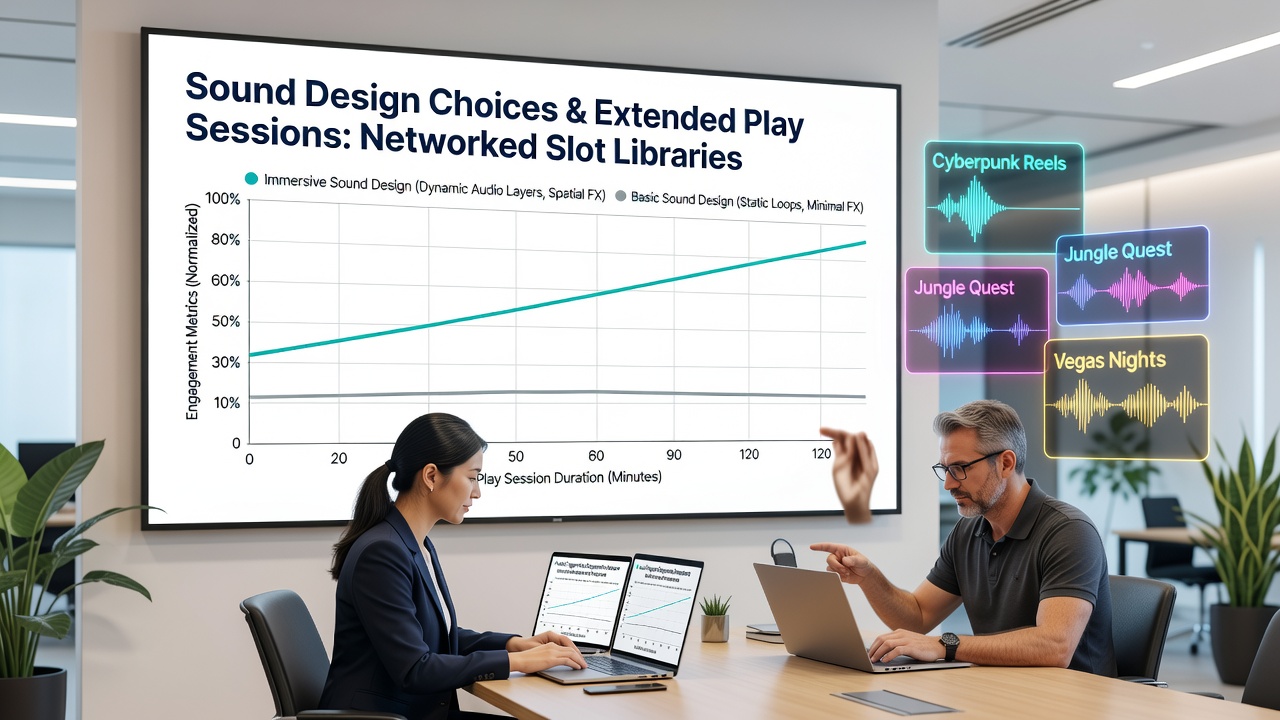
Ambient soundscapes incorporate subtle low-frequency pulses that observers note correspond to steadier bet pacing over longer durations. In September 2026, aggregated reports from multi-jurisdictional operators indicated that libraries using adaptive tempo shifts saw average session extensions of 12 to 18 minutes compared to static audio configurations. These shifts occur when the system detects consecutive spins without major wins, prompting a gradual increase in melodic complexity to sustain interest.
Network Synchronization and Cross-Device Consistency
Connected slot ecosystems rely on centralized audio servers that deliver uniform sound profiles regardless of hardware, and this consistency supports prolonged play across sessions that span multiple access points. When a jackpot trigger activates, the associated audio sequence broadcasts simultaneously to linked accounts, creating shared auditory milestones that data logs associate with continued participation rather than immediate exits. Operators monitor these events through backend analytics that flag sound-triggered retention spikes.
Studies from institutions such as the University of Nevada Reno gaming research division have examined how phased audio builds during bonus rounds influence return rates, finding that layered harmonic progressions rather than abrupt volume changes link to higher continuation metrics. Networked libraries further enable regional variations, where sound libraries adapt to time-zone specific player clusters while preserving core design principles that correlate with extended durations.
Data Patterns Across Regional Deployments
European operators feeding data into unified slot networks report that libraries emphasizing evolving sound textures rather than repetitive loops record longer average engagement windows, particularly during evening peak hours. Australian regulatory summaries from state gaming authorities similarly highlight how integrated audio feedback systems track with session data points collected across state lines. These records show that players encountering progressive musical builds during near-miss sequences tend to extend their activity by measurable intervals before logging out.
Cross-platform libraries also incorporate user-controlled volume and mix options, yet aggregate figures reveal that default settings optimized for harmonic balance coincide with the highest retention statistics. When networks update sound assets in coordinated releases, session length data often stabilizes around the new configurations within the first 48 hours of deployment, according to operational dashboards reviewed by industry analysts.
Conclusion
Sound design elements within networked slot libraries demonstrate measurable ties to session duration through synchronized frequencies, adaptive rhythms, and cross-device continuity. Operators continue to refine these components based on retention analytics drawn from September 2026 datasets and earlier periods, with regional authorities and academic groups supplying supporting figures on audio-performance correlations. The ongoing integration of these libraries ensures that audio choices remain a tracked variable in broader engagement metrics across digital platforms.